Massa Lubrense, Campania. 15–23 August 2026.
Max Novendstern. Link.
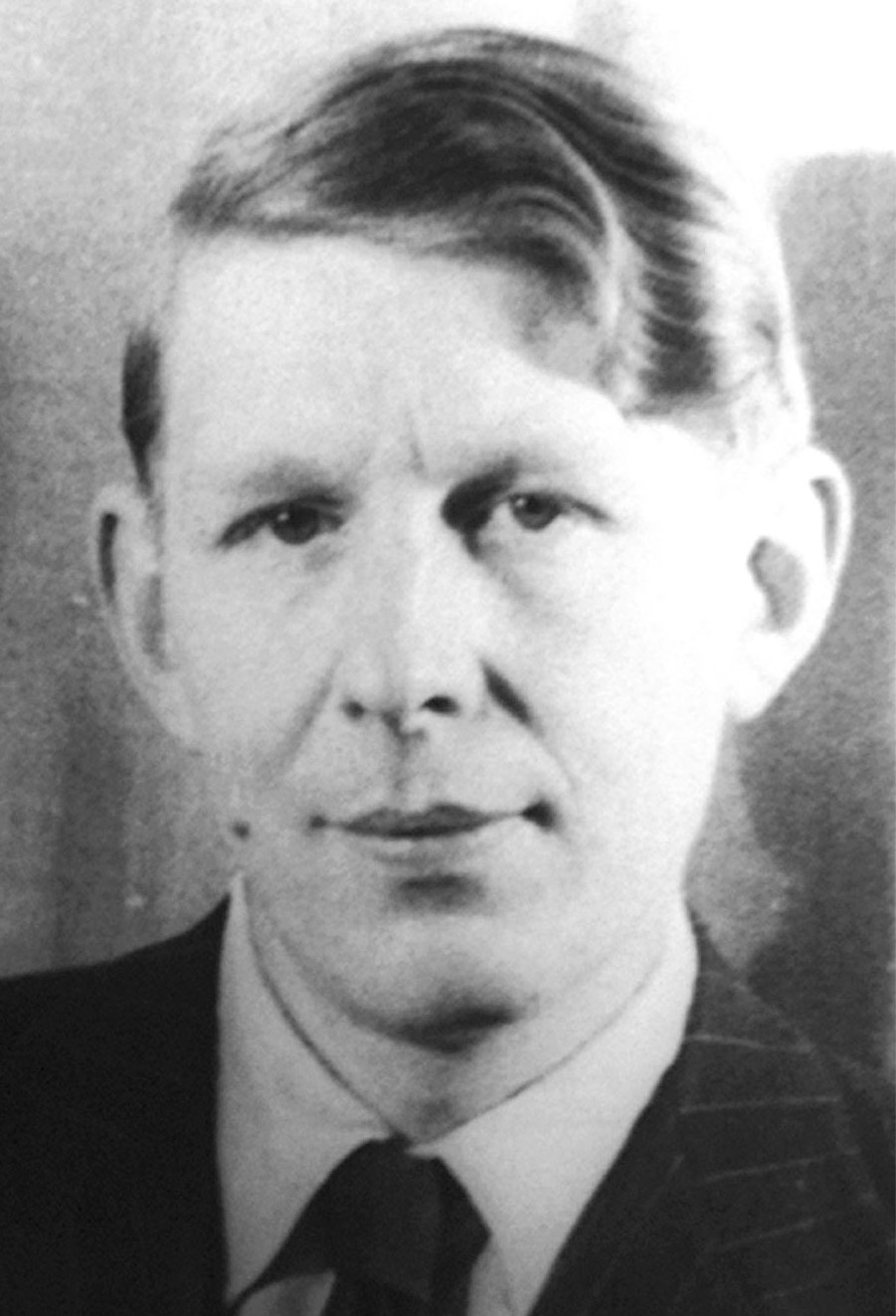
Out of a gothic North, the pallid children
Of a potato, beer-or-whisky
Guilt culture, we behave like our fathers and come
Southward into a sunburnt otherwhereOf vineyards, baroque, la bella figura,
To these feminine townships where men
Are males, and siblings untrained in a ruthless
Verbal in-fighting as it is taughtIn Protestant rectories upon drizzling
Sunday afternoons—no more as unwashed
Barbarians out for gold, nor as profiteers
Hot for Old Masters, but for plunder—
Cameron, posted as an addendum to the Auden. From “Bad Blood.” Link.
I wait gluttinously for God. I have been of an inferior race for ever and ever.
And now I am on the beaches of Brittany. Let cities light their lamps in the evening. My daytime is done; I am leaving Europe. The air of the sea will burn my lungs; lost climates will turn my skin to leather. To swim, to pulverize grass, to hunt, above all to smoke; to drink strong drinks, as strong as molten ore, as did those dear ancestors around their fires.
I will come back with limbs of iron, with dark skin, and angry eyes: in this mask, they will think I belong to a strong race. I will have gold: I will be brutal and indolent. Women nurse these ferocious invalids come back from the tropics. I will become involved in politics. Saved.
Now I am accursed, I detest my native land. The best thing is a drunken sleep, stretched out on some strip of shore.
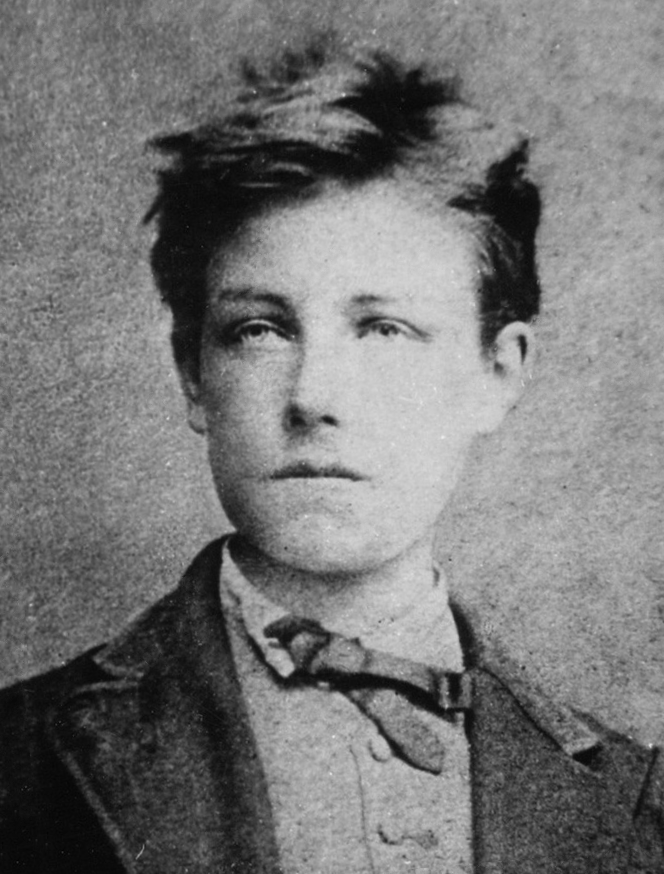
Isaac Wilks. Link.
If it form the one landscape that we, the inconstant ones,
Are consistently homesick for, this is chiefly
Because it dissolves in water. Mark these rounded slopes
With their surface fragrance of thyme and, beneath,
A secret system of caves and conduits; hear the springs
That spurt out everywhere with a chuckle,
Each filling a private pool for its fish and carving
Its own little ravine whose cliffs entertain
The butterfly and the lizard…
Josh Lipson, addressed to David Angeles Albores. Link.
With an azure drinking cup studded with lapis, wait for her
In the evening at the spring, among perfumed roses, wait for her
With the patience of a horse trained for mountains, wait for her
With the distinctive, aesthetic taste of a prince, wait for her…

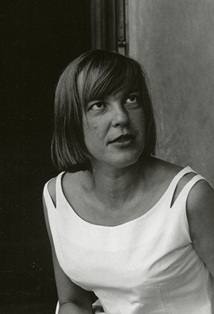
Quincy Childs, who typed it out in full as one of Gary Indiana’s favorite poems. Link.
Watching the famous eruption of a volcano on Heimaey, Iceland, which was broadcast live by any number of TV teams, I saw an elderly man in braces showered by sulfur and brimstone, ignoring the storm, the heat, the video cables, the ash and the spectators (including myself, crouching on my carpet in front of the livid screen), who held a garden hose, slender but clearly visible, aimed at the roaring lava, until neighbors joined him, soldiers, children, firemen, pointing more and more hoses at the advancing fiery lava and turning it into a towering wall, higher and higher, of lava, hard, cold and wet, the color of ash, and thus postponing, not forever perhaps, but for the time being at least, the Decline of Western Civilization…
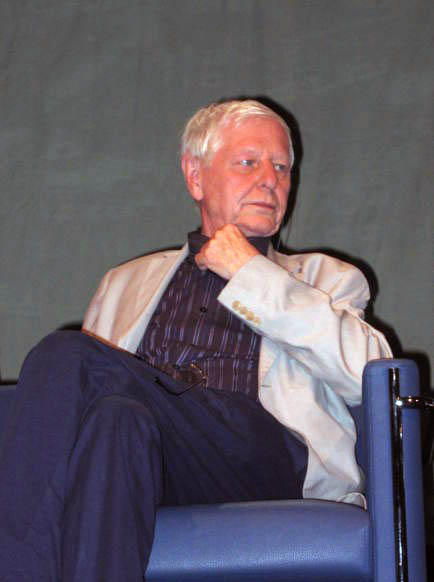
Quincy Childs, read aloud at the poolside reading. Link.
Banish Air from Air –
Divide Light if you dare –
They’ll meet
While Cubes in a Drop
Or Pellets of Shape
Fit –
Films cannot annul
Odors return whole
Force Flame
And with a Blonde push
Over your impotence
Flits Steam.

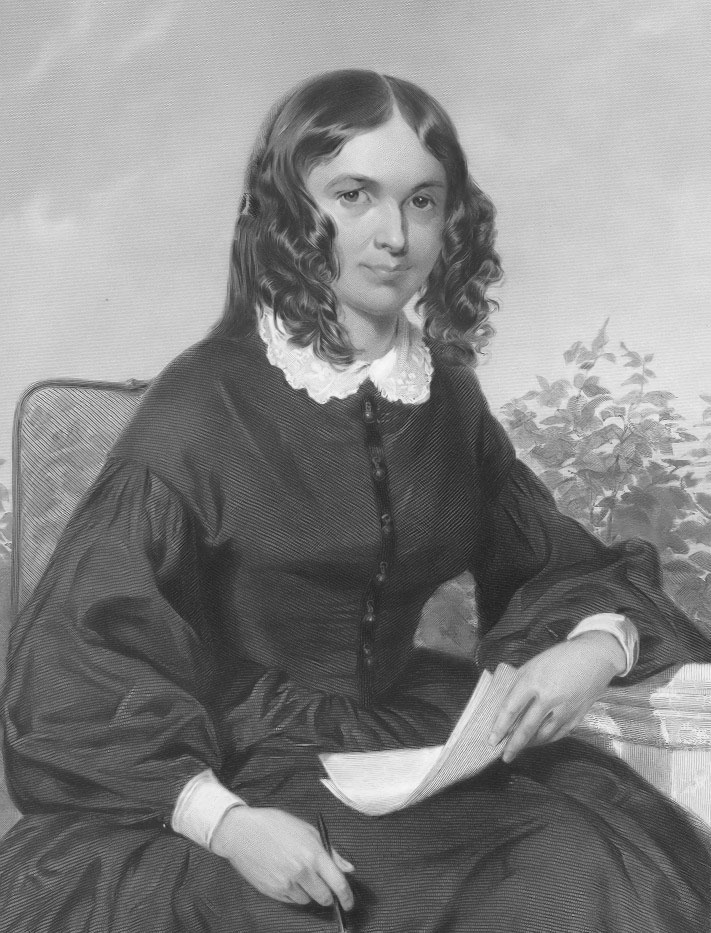
Julia Eng. Link. Sonnet XLIII:
How do I love thee? Let me count the ways.
I love thee to the depth and breadth and height
My soul can reach, when feeling out of sight
For the ends of Being and ideal Grace.
I love thee to the level of everyday’s
Most quiet need, by sun and candlelight.
I love thee freely, as men strive for Right;
I love thee purely, as they turn from Praise.
I love thee with the passion put to use
In my old griefs, and with my childhood’s faith.
I love thee with a love I seemed to lose
With my lost saints,—I love thee with the breath,
Smiles, tears, of all my life!—and, if God choose,
I shall but love thee better after death.
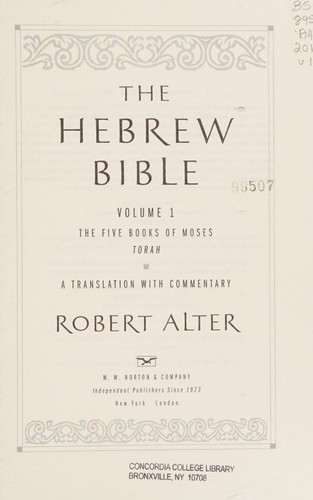
Max Novendstern, the day after everyone flew home: “Add Robert Alter’s Psalm 23.” Link.
A David psalm.
The Lord is my shepherd,
I shall not want.
In grass meadows He makes me lie down,
by quiet waters guides me.
My life He brings back.
He leads me on pathways of justice
for His name’s sake.
Though I walk in the vale of death’s shadow,
I fear no harm,
for You are with me.
Your rod and Your staff—
it is they that console me.
You set out a table before me
in the face of my foes.
You moisten my head with oil,
my cup overflows.
Let but goodness and kindness pursue me
all the days of my life.
And I shall dwell in the house of the Lord
for many long days.
Max, on the fourth verse: “That ‘You’ — the transition from third- to second-person — made me literally weep. If you want a little synecdoche for where my head was at on those ‘grass meadows.’”
Josh Lipson: “‘lo ira ra ki ata imadi’ (the line where that turn occurs) has a beautiful music to it in hebrew.”
Adam Shaw, quoting the title as a caption. Link.
I like to think (and
the sooner the better!)
of a cybernetic meadow
where mammals and computers
live together in mutually
programming harmony
like pure water
touching clear sky.I like to think
(right now, please!)
of a cybernetic forest
filled with pines and electronics
where deer stroll peacefully
past computers
as if they were flowers
with spinning blossoms.I like to think
(it has to be!)
of a cybernetic ecology
where we are free of our labors
and joined back to nature,
returned to our mammal
brothers and sisters,
and all watched over
by machines of loving grace.
Quincy Childs, who appears in the issue. Contributors: Amber Later, Gary Indiana, Gemma Janes, James Massiah, Keith McNally, Quincy Childs, Richard Hell.

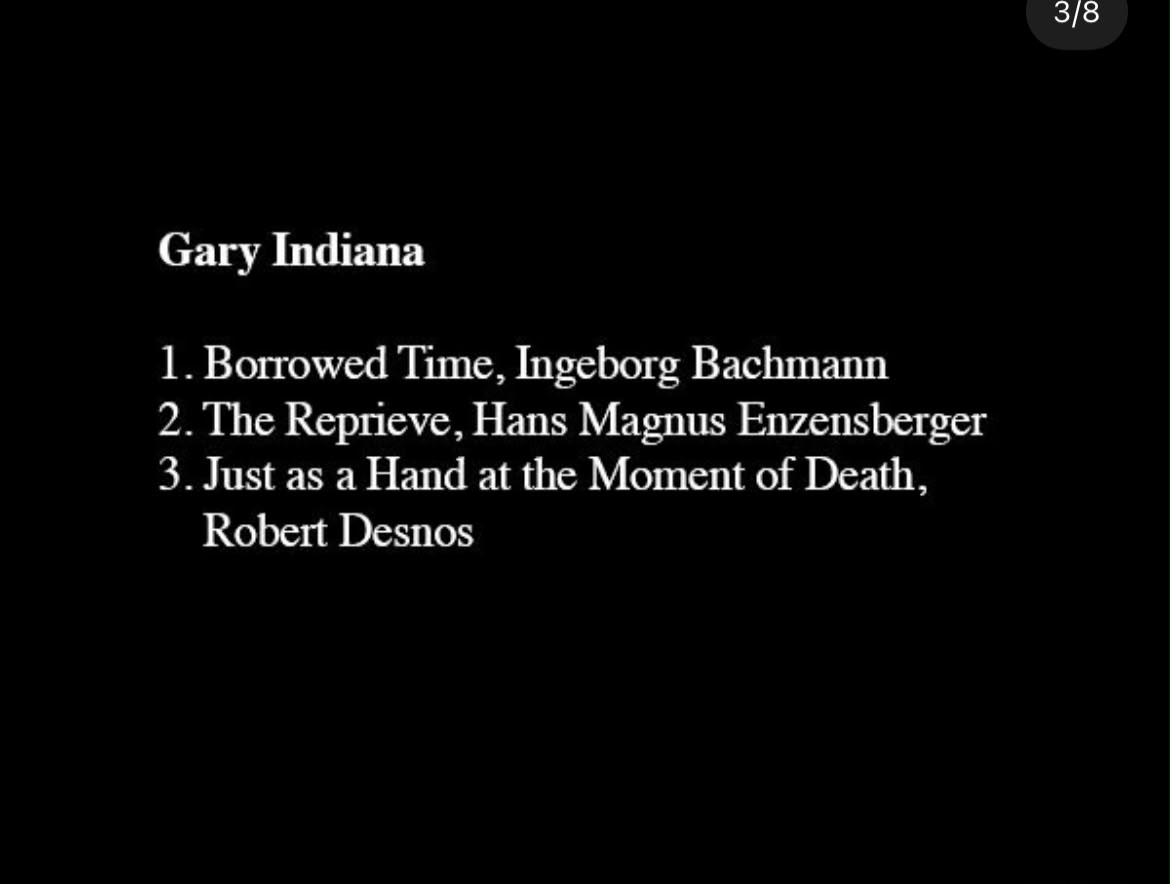
Link.
Harder days are coming.
The loan of borrowed time
will be due on the horizon.
Soon you must lace up your boots
and chase the hounds back to the marsh farms.
For the entrails of fish
have grown cold in the wind.
Dimly burns the light of the lupines.
See above.
Stuart Dischell’s translation. Link
Like a hand at the moment of death and shipwreck
it rises like the last beams of the setting sun,
so from all places your glances spring.
There is not enough time, there is not enough time
perhaps for me to see,
But the leaf that falls and the wheel that turns you
will say nothing is perpetual above earth,
Except love,
And I want to be convinced.

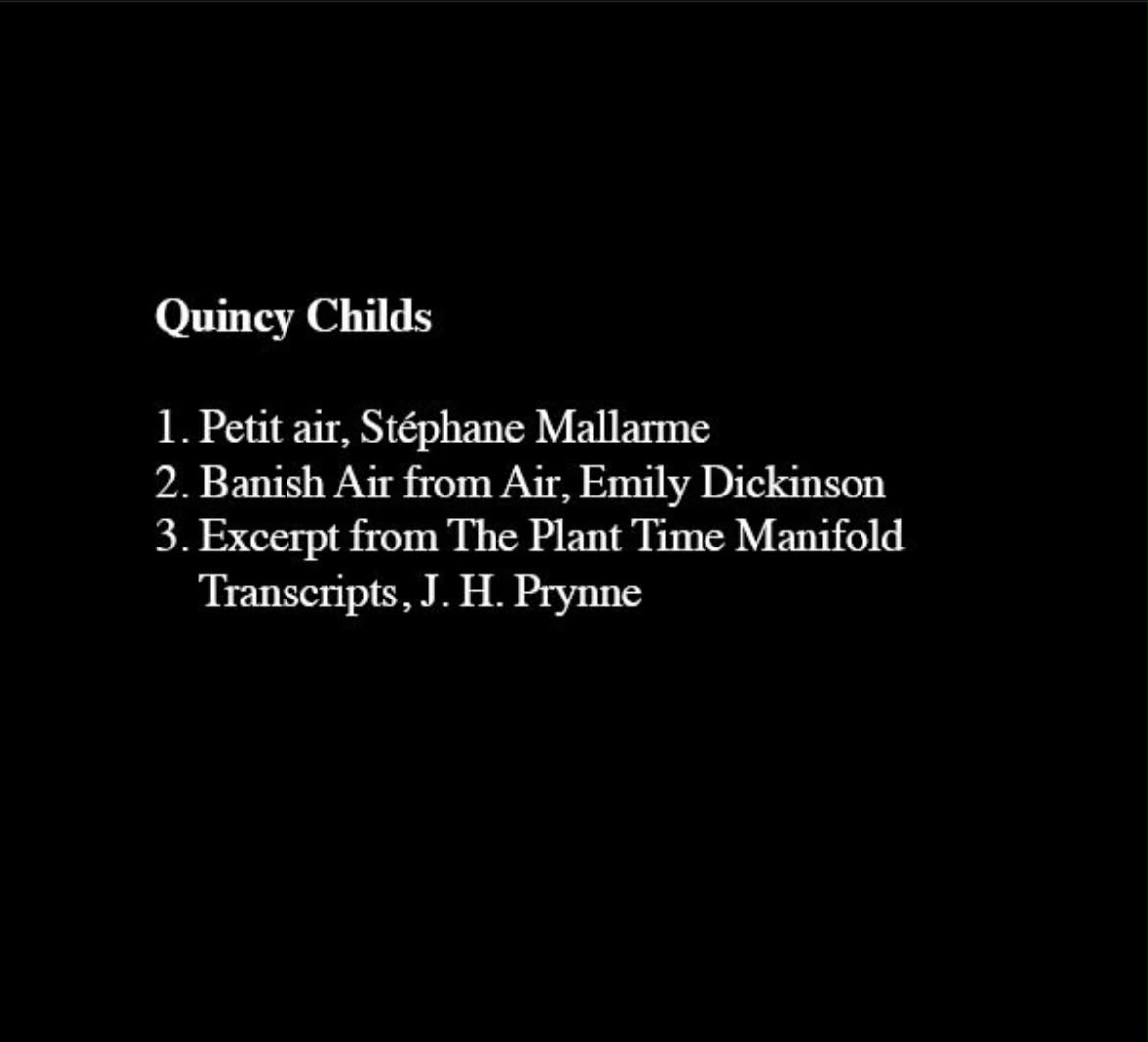
Link.
Any solitude
Without a swan or quai
Mirrors its disuse
In the gaze I abdicateFar from that pride’s excess
Too high to enfold
In which many a sky paints itself
With the twilight’s gold
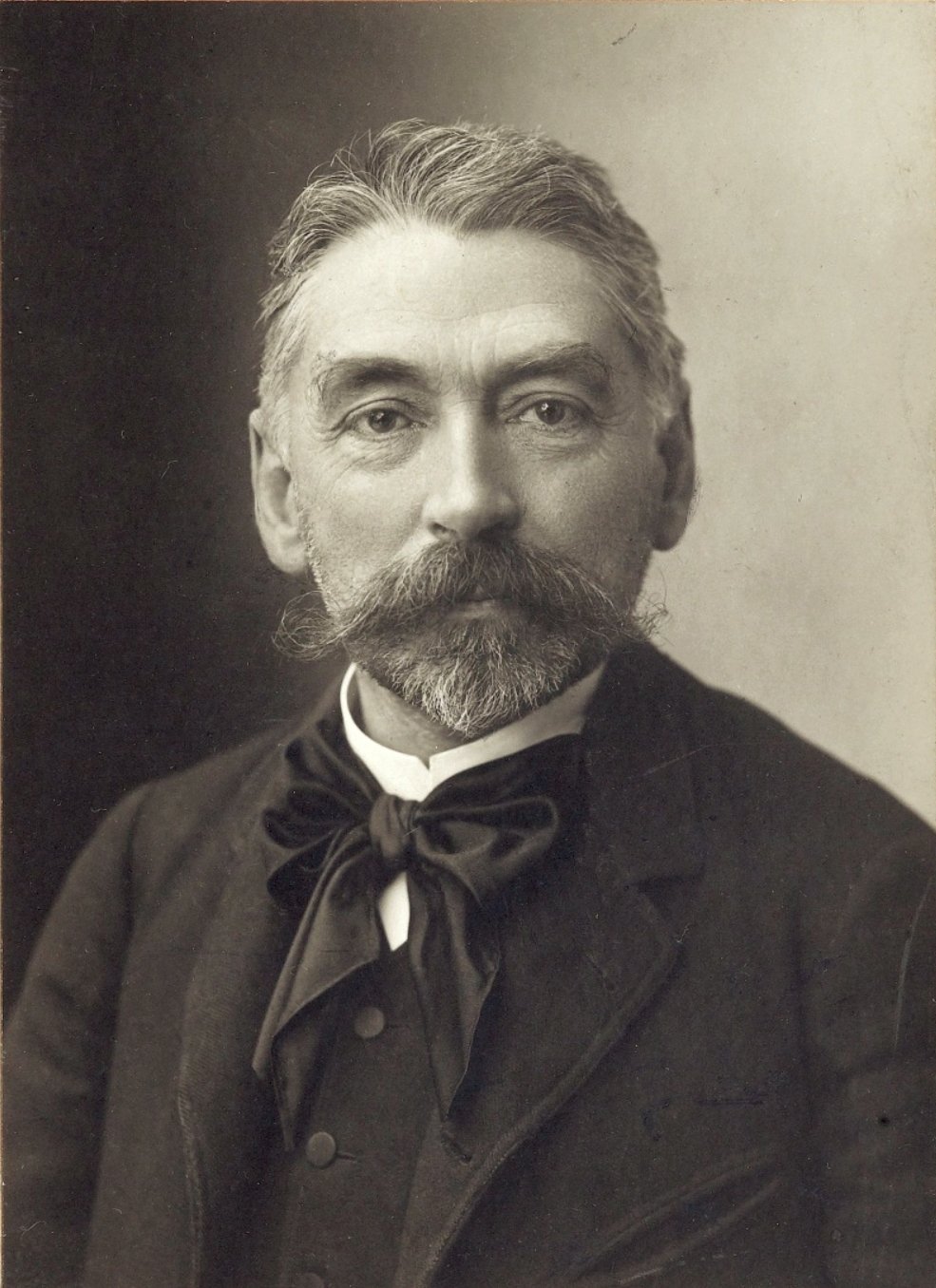
See above.
From Wound Response (1974). No free text online. Link

Josh Lipson: “Recommended, but not urgently.” Link.

Nicole Della Costa, captioned “Book club.” Link.
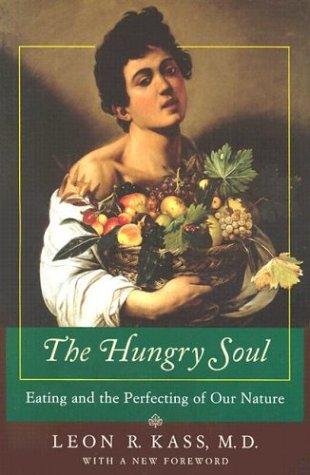
Isaac Wilks: “Great airport read.” Link.

Isaac Wilks, by way of Craig Willy’s critical summary. Link.

Max Novendstern, by way of the TLS. Link. Aphorism 1, “Chemistry of the Notions and the Feelings”:
Philosophical problems, in almost all their aspects, present themselves in the same interrogative formula now that they did two thousand years ago: how can a thing develop out of its antithesis? for example, the reasonable from the non-reasonable, the animate from the inanimate, the logical from the illogical, altruism from egoism, disinterestedness from greed, truth from error?

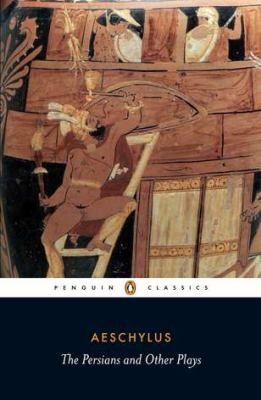
Isaac Wilks, on Operation Dingo: “Study this. Modern Anabasis.” Link. Book IV, on Mount Theches:
Presently they could hear the soldiers shouting and passing on the joyful word, “The sea! the sea!”
Thereupon they began running, rearguard and all, and the baggage animals and horses came galloping up. But when they had reached the summit, then indeed they fell to embracing one another—generals and officers and all—and the tears trickled down their cheeks.
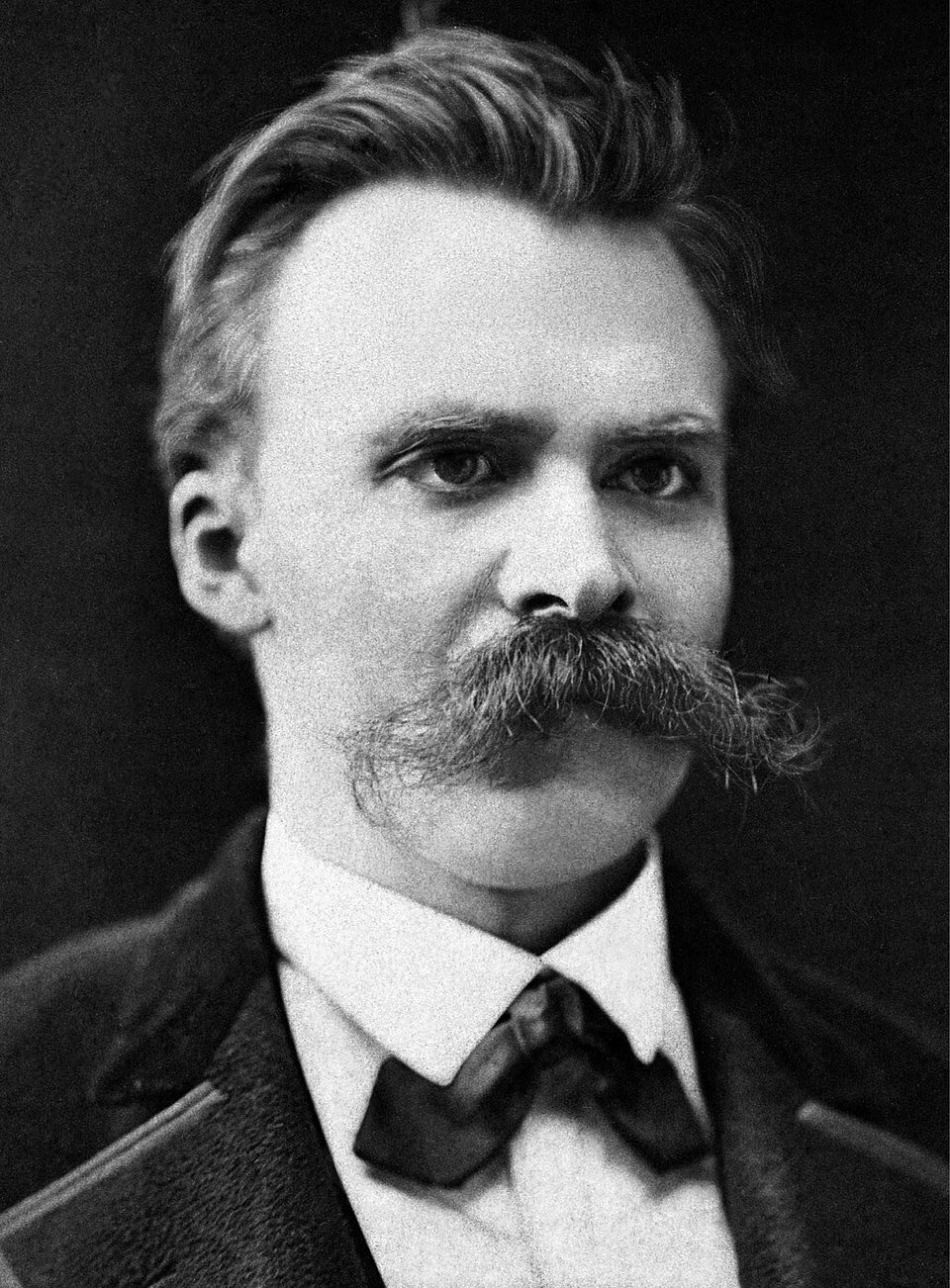
On the winter of 1876–77, which Nietzsche spent a few miles from this villa, and on the book he began there. Link. Nietzsche, quoted within:
That is what overcame me when, for the first time, I saw the evening come up, with its velvet gray and red, in the sky over Naples—like a shudder of pity for myself, that I had started my life by being old, and tears came to my eyes and the feeling of having been saved at the last moment. I have enough spirit for the South.
Max Novendstern met Leon Kass, and Kass wrote afterwards with four readings “that touch on things we talked about (or almost talked about).” Max forwarded the list to the chat — “Via The Institute’s West Jerusalem Branch.” Kass’s The Hungry Soul was already on this syllabus, from Nicole Della Costa.
Kass: “On human speech (not writing) as the locus of the gap between what we think and what is, and if properly updated, also the basis of a critique of the grandiose project of which you and the AI-niks speak.” Link.

The Public Interest, no. 126, Winter 1997. Kass: “If you and any of your lonely-hearted buddies want some real help on this subject…” Cameron, reading over his shoulder: “The lonely hearted buddies.” Link.
In the current wars over the state of American culture, few battlegrounds have seen more action than that of “family values” — sex, marriage, and child-rearing.
First Things, May 2001. Kass: “On the longevity project, barely touched on.” Link.
You don’t have to be Jewish to drink L’Chaim, to lift a glass “To Life.” Everyone in his right mind believes that life is good and that death is bad. But Jews have always had an unusually keen appreciation of life, and not only because it has been stolen from them so often and so cruelly.
1994. Kass: “on the sources of the cultural decay through which we are now destroying ourselves… here (to be read slowly).” Link.
The counterculture that emerged in the United States in the 1960′s — and pretty much simultaneously in all the Western democracies — is certainly one of the most significant events in the last half-century.

Julia Eng. Link. It opens on Ginsberg:
Moloch whose mind is pure machinery! Moloch whose blood is running money! Moloch whose fingers are ten armies! Moloch whose breast is a cannibal dynamo! Moloch whose ear is a smoking tomb!
Moloch whose eyes are a thousand blind windows! Moloch whose skyscrapers stand in the long streets like endless Jehovahs! Moloch whose factories dream and croak in the fog!
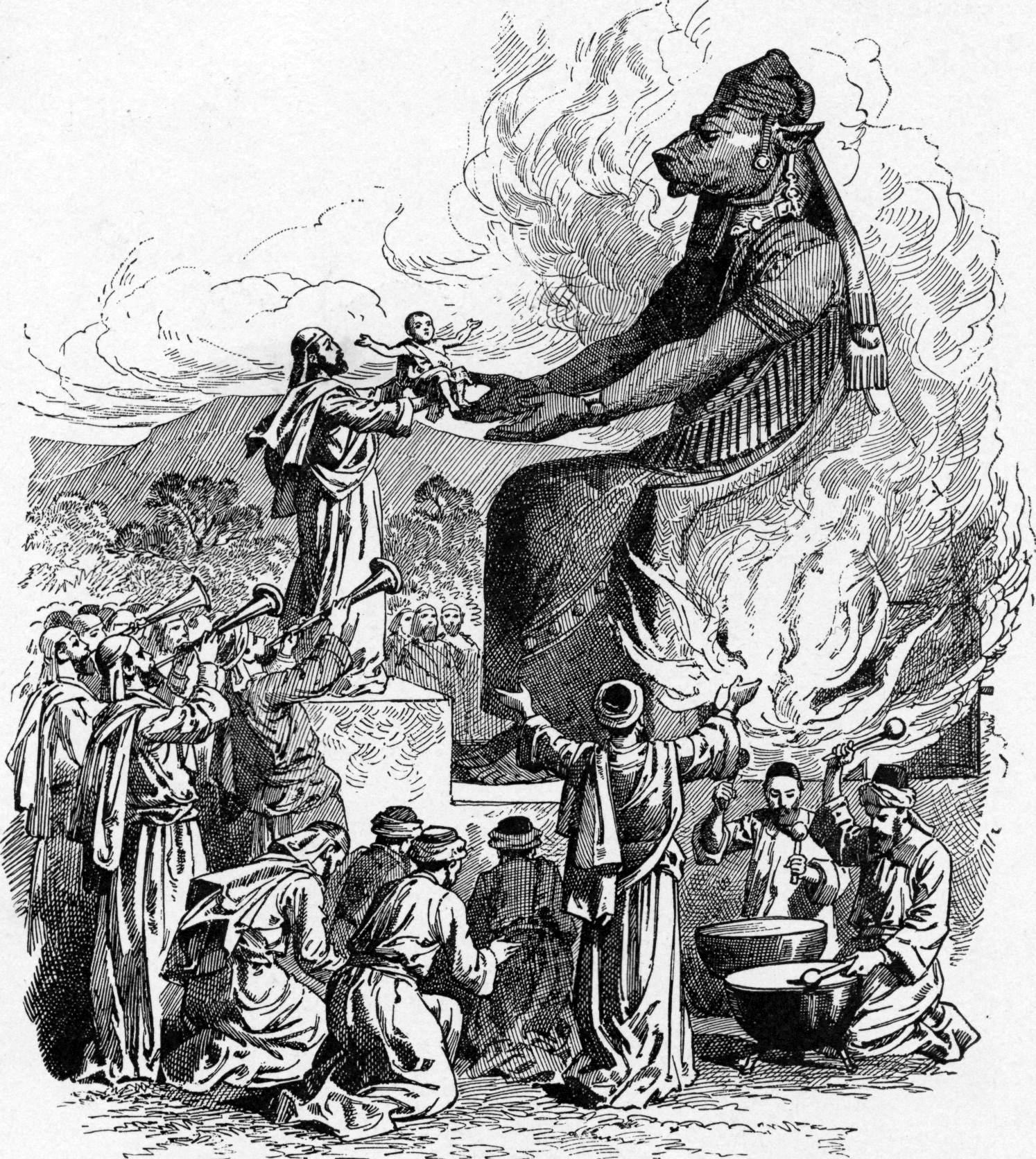
Josh Lipson: “My latest inpatient psychosis vignette.” Link.

Cameron. Link.
Josh Lipson. Link.

Cameron, 12:47am. Link.
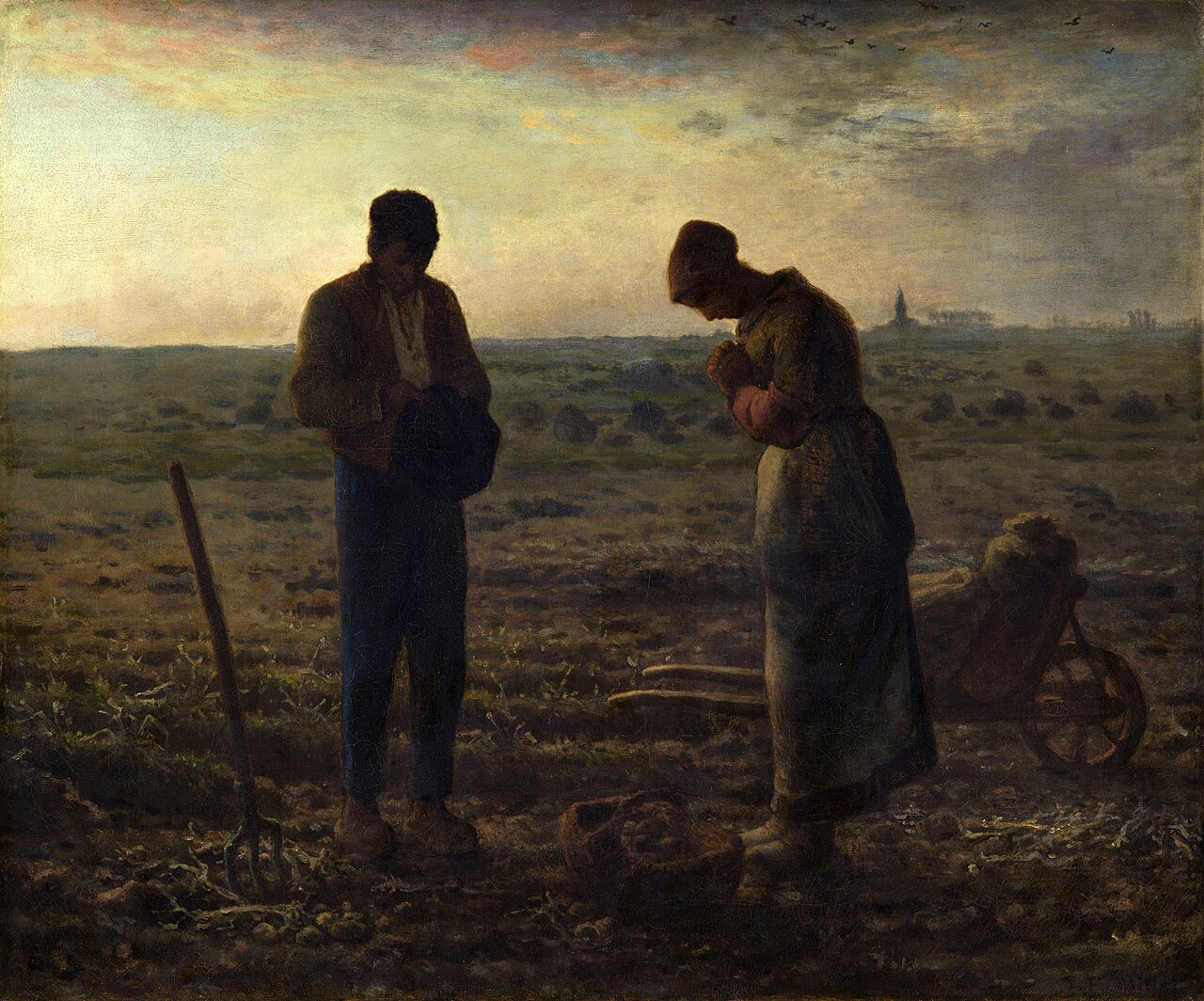
Cameron, twelve seconds after the Millet. Link.
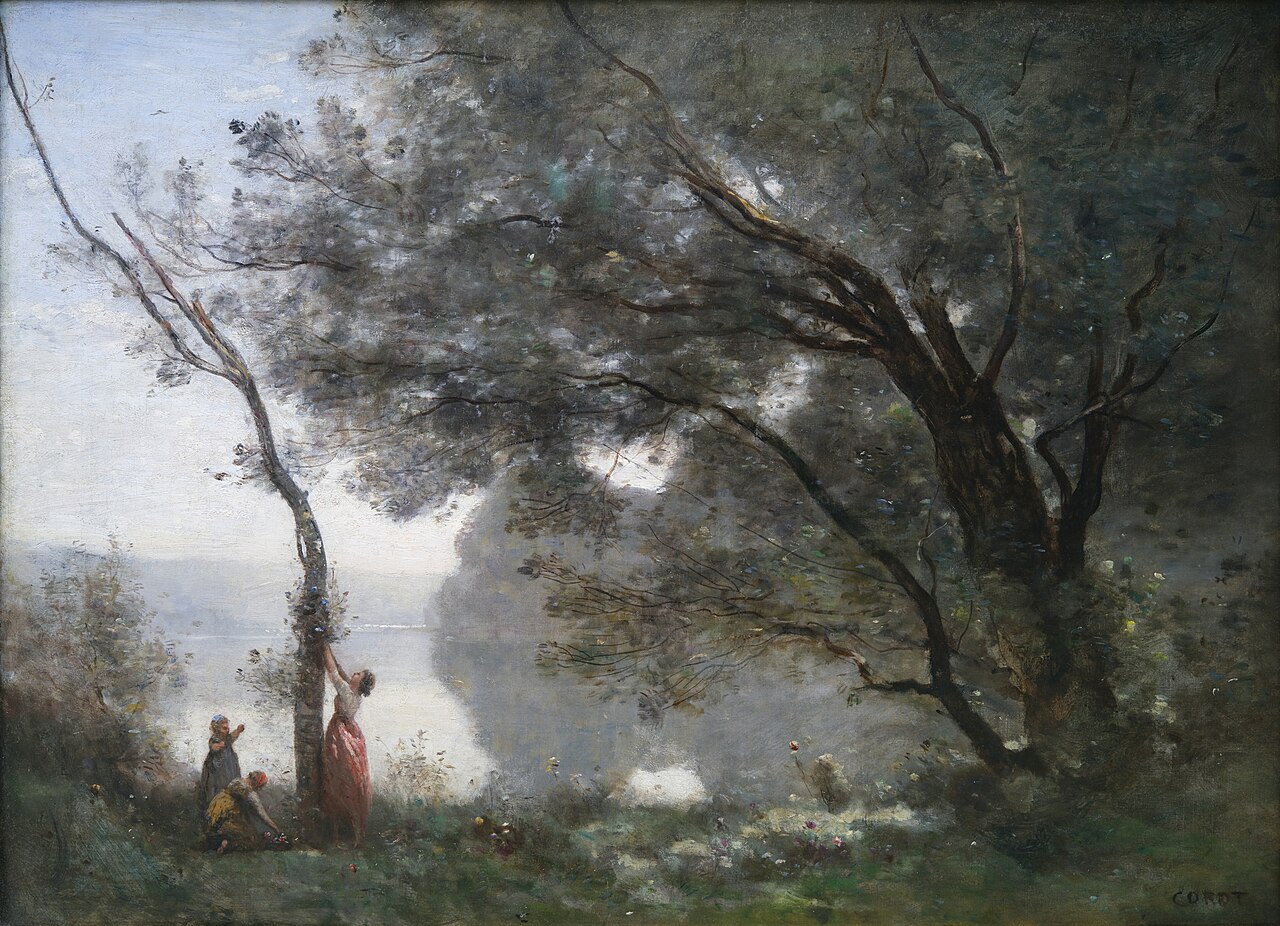
Josh Lipson and Isaac Wilks, after the museum. Link.
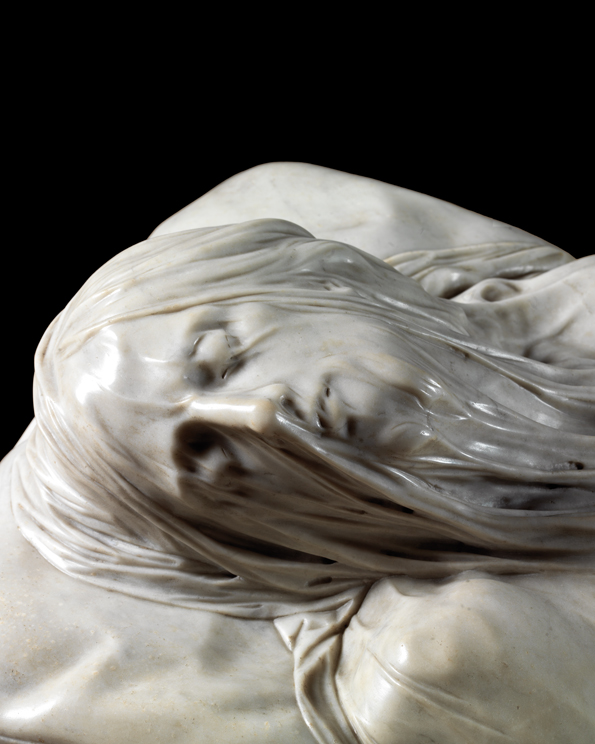
Isaac Wilks, who organized the Naples excursion. Josh Lipson and Cameron met on Floor 2, Temple of Isis. Link.

Quincy Childs: “Worth seeing in Naples.” Link.
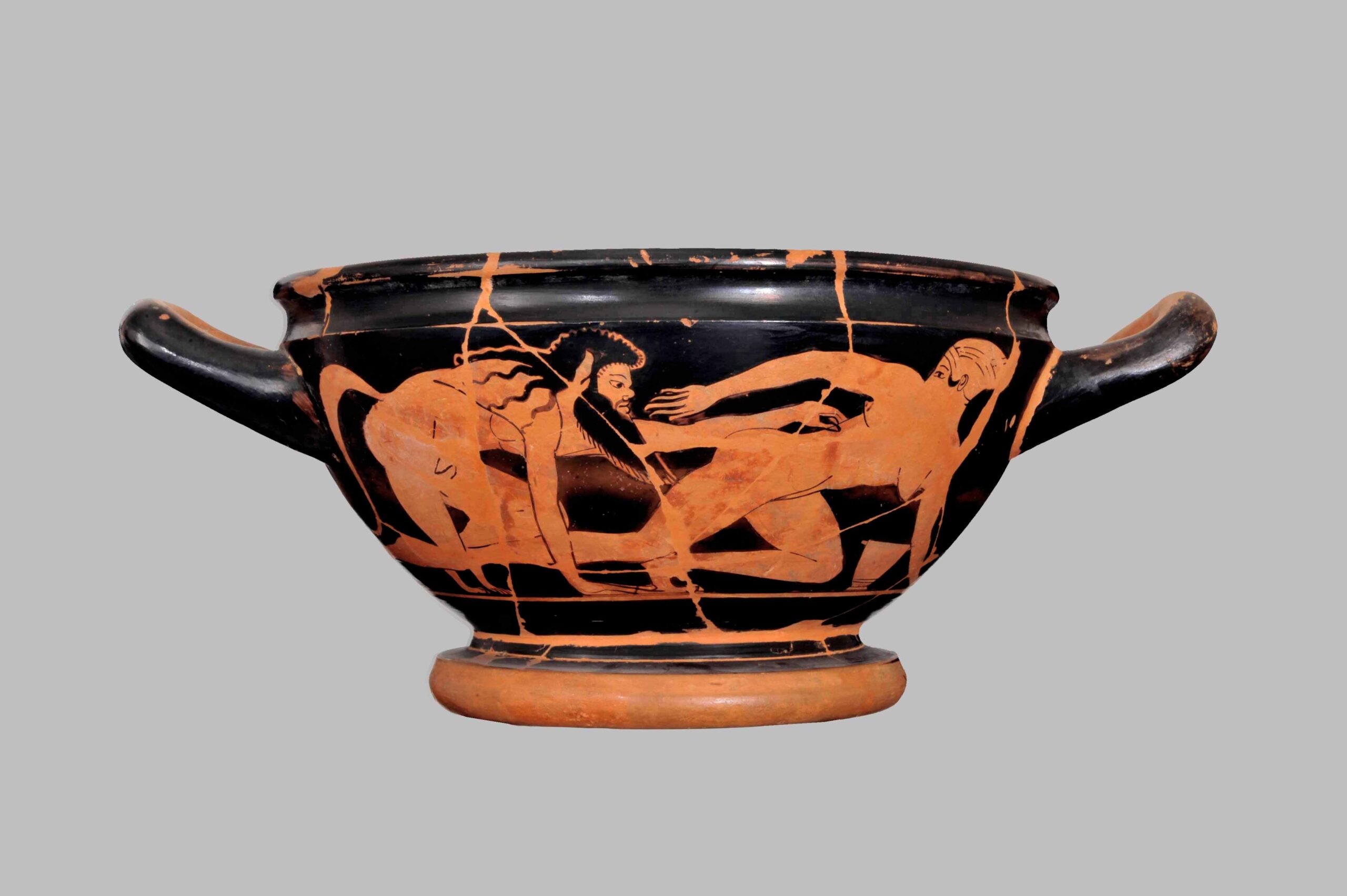
Isaac Wilks. Link.
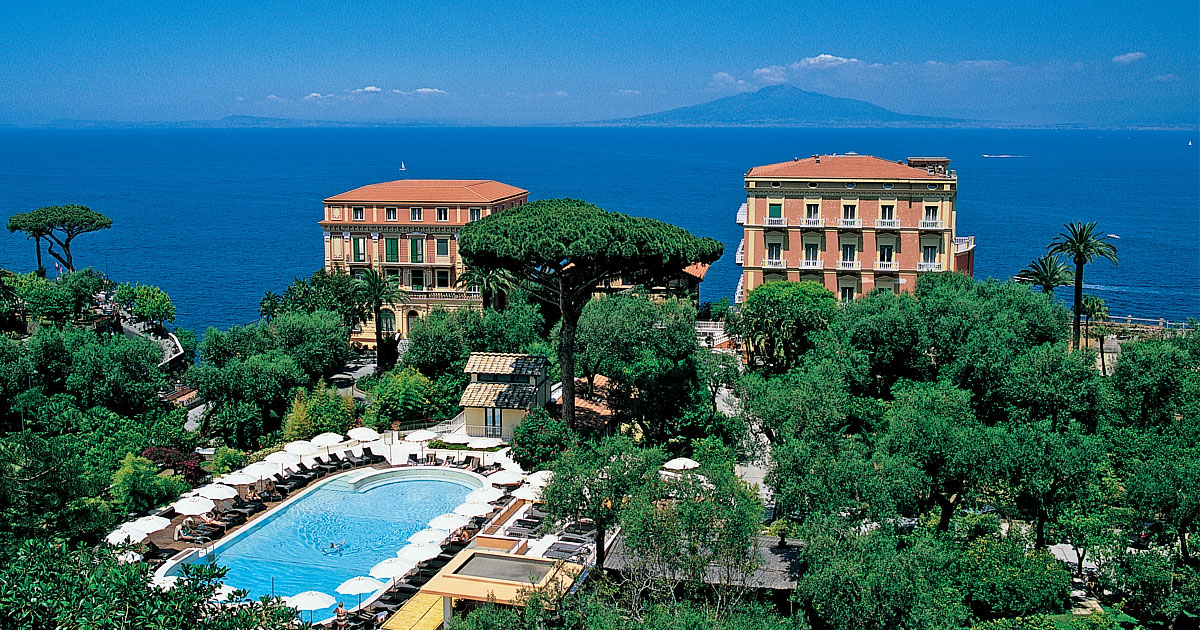
Grand Hotel Excelsior Vittoria, Piazza Tasso, Sorrento. Open since 1834, on the cliff above the Marina Piccola. Max Novendstern wanted dinner there — “Make it glamorous. Spare no expense.” Julia Eng called; it was full. Quincy Childs later proposed it for drinks. Link.
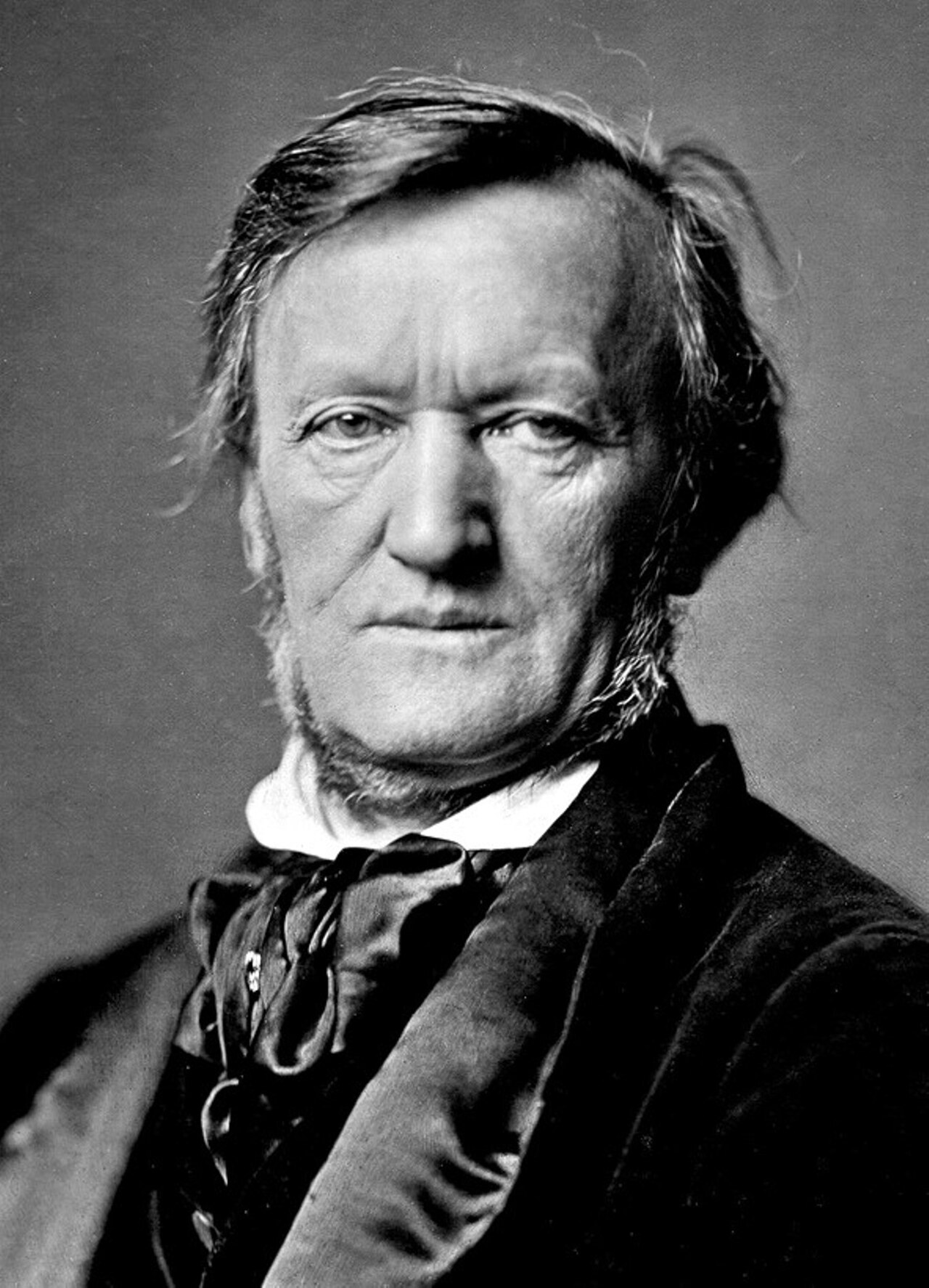
Richard and Cosima Wagner lodged at the Vittoria in the autumn of 1876. Nietzsche was a few streets away at the Villa Rubinacci, wintering with Malwida von Meysenbug and Paul Rée at her invitation. The two men had known each other eight years. They met in Sorrento in November 1876, walked together, and never saw each other again — Wagner was at work on Parsifal, and the break that had been forming since Bayreuth that summer became final. Nietzsche began Human, All Too Human that same winter; Rée wrote The Origin of the Moral Sensations alongside him. The hotel still keeps a Wagner suite.
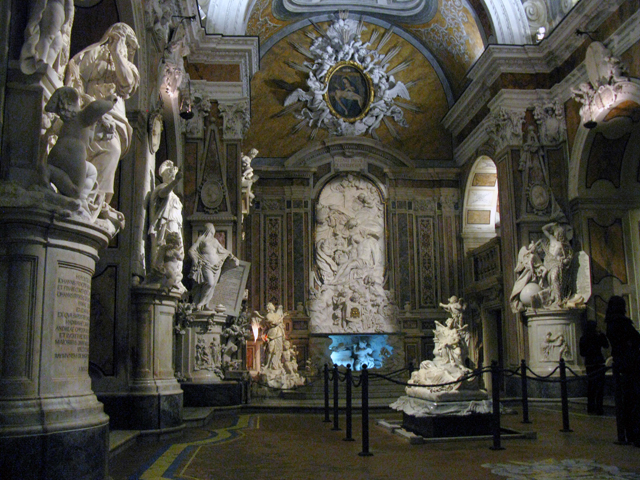
Cameron, in the old center. Link.
Cameron, from a guidebook at the bookstore. Link.
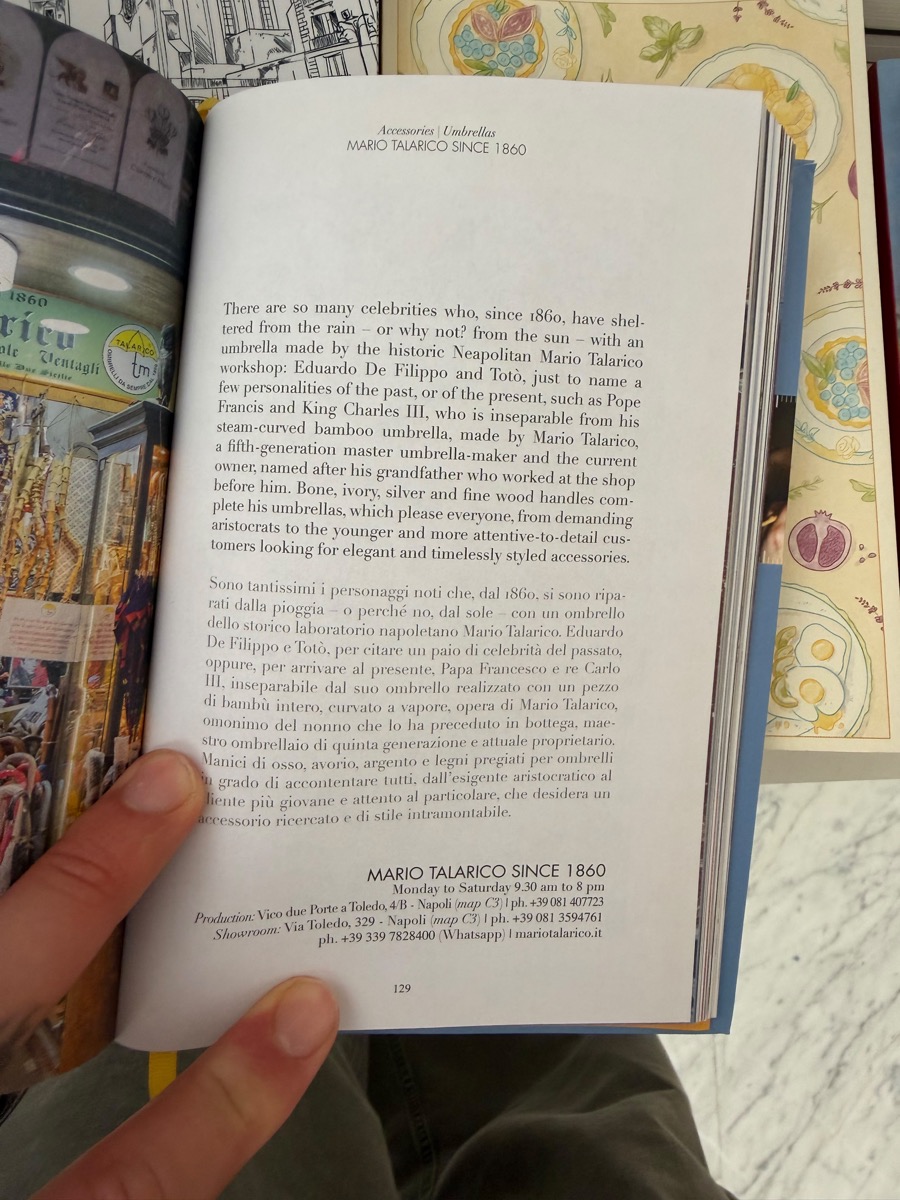
There are so many celebrities who, since 1860, have sheltered from the rain – or why not? from the sun – with an umbrella made by the historic Neapolitan Mario Talarico workshop: Eduardo De Filippo and Totò, just to name a few personalities of the past, or of the present, such as Pope Francis and King Charles III, who is inseparable from his steam-curved bamboo umbrella, made by Mario Talarico, a fifth-generation master umbrella-maker.
Isaac Wilks, 12:30am: “Utterly epiphanic.” Link.
Cameron, 2:20am. Isaac Wilks: “Study this. Modern Anabasis.” Link.
Most sources put the death toll from the operation at over 1,000, including hundreds of civilians. Two Rhodesian soldiers were also killed.
Josh Lipson: “slaps so hard.” Link.

Josh Lipson. Link.
Josh Lipson, from the car to the airport: “Revisited a few tracks from this album — Let It Down, I’d Have You Anytime — worth a full run-through.” And later: “my favorite album of all time.” Link.
Josh, on the Dylan of it: “If Not For You is a Dylan composition; I’d Have You Anytime is a collaboration; and the country waltz (wedding song?) Behind That Locked Door, Harrison wrote for Dylan, when Dylan was at his lowest.”
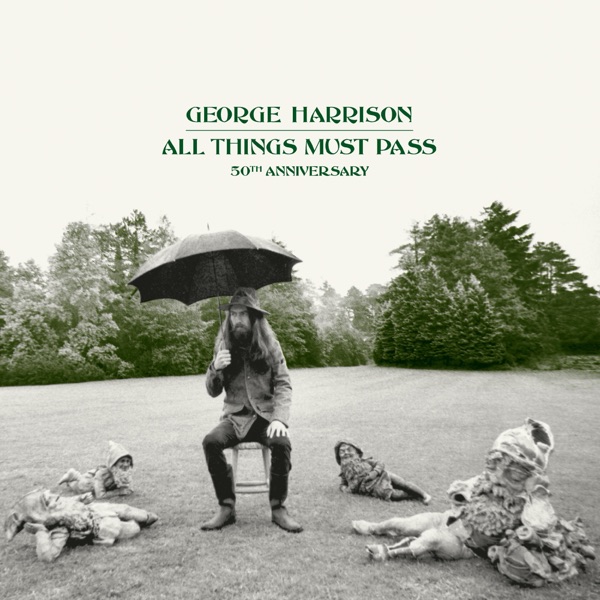
Max Novendstern: “Glad Dylan entered the chat and it wasn’t my doing.” Cameron: “Okay NOW it’s time to really listen to this guy. I swear.”


Josh Lipson, from the plane: “Don’t forget Buona Sera Signorina.” Link.
David Angeles Albores, after a night of insomnia:
It isn’t a high quality shot: the stars are streaking because the exposure was too long, which tells you something about how ridiculously fast the earth is rotating relative to the stars, there’s very clear atmospheric haze, there’s a ton of light pollution… However, it is the first time that i can capture the galactic streak of the milky way with my own eyes using my own tools. Even in Egypt i was unable to do this, despite a darker night and better conditions. Hope you all enjoy what was overlooking us last night.

Hermione: “Vesuvian train line.” Sound on. Link.